


Every drink deserves to be served in the right glass, to enhance its characteristics and complete the tasting experience.
Craft cocktail experts are aware that sipping a cocktail involves several senses. Before the grand finale of tasting the cocktail itself, your nose inhales the fragrances of the drink, your hands sense the temperature of the glass, and your eyes take in the vivid color of the garnish.
The answer to the question of how all of this is possible is straightforward: the glass is crucial. Let's look at some of the lovely glassware you would like to add to your personal collection that you might discover in a hip cocktail bar.
Proper glassware was initially developed out of the need for practicality. The size and shape of each bar glass are particularly designed to both enhance aroma and to maintain the proper temperature of your cocktail.
This is why there is cocktail-specific glassware: Each serves a purpose! So let’s explore some of the most common types of glassware.
The lowball is a readily identifiable glass that is identified by its short, round form. The broad rim offers space for your nose to come near to the cocktail, enhancing your exposure to the many scents that are carefully chosen to compliment the taste of the cocktail.
Additionally, because there isn't a stem, the heat from your hand warms the cocktail and intensifies its aroma.
Depending on its volume, the lowball may go by different names: The single rocks glass/single Old Fashioned glass is generally 6-10 ounces, and the Double Old Fashioned glass/double rocks glass is anywhere from 12-16 fluid ounces.
This style of glass is most commonly used for mixed drinks that are high in alcohol content. The wide glass allows for a large piece of ice and also provides ample space to take in the aroma of the alcohol that you are enjoying. Restaurants often use them as regular drinking glasses as well.
Popular cocktails for a lowball glass:

The higher, thinner sister of the lowball glass is called the highball glass. "Long" or "tall" beverages, which have a higher mixer to alcohol ratio, fit the tall size with ease.
The highball has a narrower hole so there is more room for ice to keep the drink cold and the larger mixer content makes the alcohol's smell less noticeable. In order to keep the cocktail cooler for longer, there is also less surface area.
A Collins glass, which is simply a taller glass, is frequently mistaken for the highball. However, this particular cocktail glass mix-up isn't actually a faux pas at all because most bartenders concur that these two glasses are interchangeable.
Delicious craft cocktails to serve in a highball glass:

Its bell-shaped bowl and narrow stem are mostly used for stirred, spirit-forward beverages. The Nick and Nora glass's small capacity makes it ideal for cocktails with minimal ingredients, and it is not designed to handle ice. In order to keep the cocktail chilly, the glass is usually chilled before use.
I think the origin tale of the Nick & Nora-style glassware is the best as well. Although it was only made for a brief period of time, it was referred to as the "Little Martini" at the time and was featured in the iconic film The Thin Man from the 1930s. In the 1980s, bartender Dale DeGroff had a production recommissioned for the Rainbow Room, a well-known bar in New York that was named after Nick and Nora Charles, the two main protagonists in the Thin Man films. The original manufacturer of these spectacles resumed production and eventually changed their name to Nick & Nora. Isn't that cool?
Cocktail recipes to serve in Nick & Nora cocktail glasses:

Champagne has its own glass, although it can also be served in a coupe. With its exquisite form, narrow mouth, and delicate stem, this tall and slim champagne glass will contain your class without warming the champagne. Additionally, compared to the Coupe, this flute retains the bubbles in the glass for a little longer.
When served in a champagne flute, champagne cocktails look beautiful and are a terrific way to liven up the celebration. In addition, a lot of bartenders are opting to utilize a Champagne flute instead of another kind of glass for their handmade cocktails because they want to add a bit more shine. The Bellini and the Kir Royale are two examples of traditional Champagne drinks.
The coupe glass, also known as a Champagne coupe, is another stemmed glass that has a wide, shallow bowl. It was also very popular during Prohibition when cocktails flourished because they easily masked the “prohibited” alcohol. Its slightly larger capacity allows for drinks with more ingredients, such as sour cocktails.
The classic design of the coupe glass dates back to the 17th century and was popular among the socially elite as the default celebratory glass. If you were attending one of Gatsby’s parties, you would definitely be drinking out of a coupe glass!
Drinks to be enjoyed in a coupe:

Though wine glasses are not traditional cocktail glasses, we would be remiss if we left them off the list. Aside from holding wine, a wine glass is also the perfect vessel for serving wine-based cocktails such as Sangria or a larger Champagne cocktail with more mixers.

One of the most recognizable types of glassware is the Martini glass.
The tall stem of a martini glass allows you to hold it without warming the drink. Air may reach as much of the alcohol as possible through the glass's broad mouth, which slopes outward to release the spirit. Additionally, the slope gives the classic cocktail pick garnish a soft place to rest.
But this glass's wide brim also makes spilling simpler. The Coupe glass, which is generally thought to be a touch more elegant and less likely to topple over, evolved into the famous Martini glass.

While it’s not really necessary to have a dedicated Margarita glass, it can be fun for these classic cocktails. However, a rocks glass is a common replacement, and they’re much easier & smaller to store.
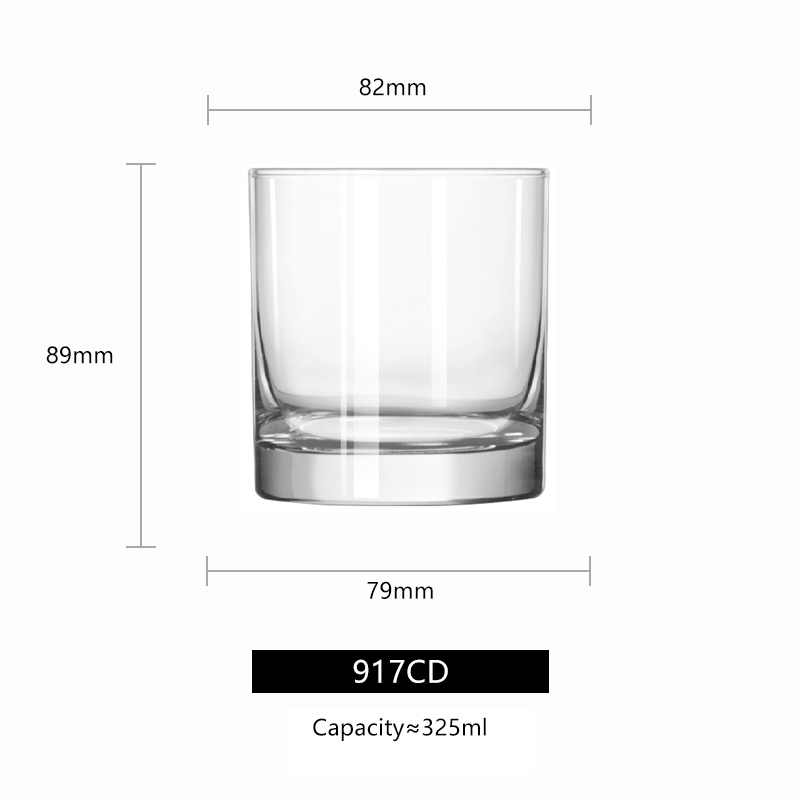 Behind the Sparkle: The Craftsmanship of Libbey Glassware
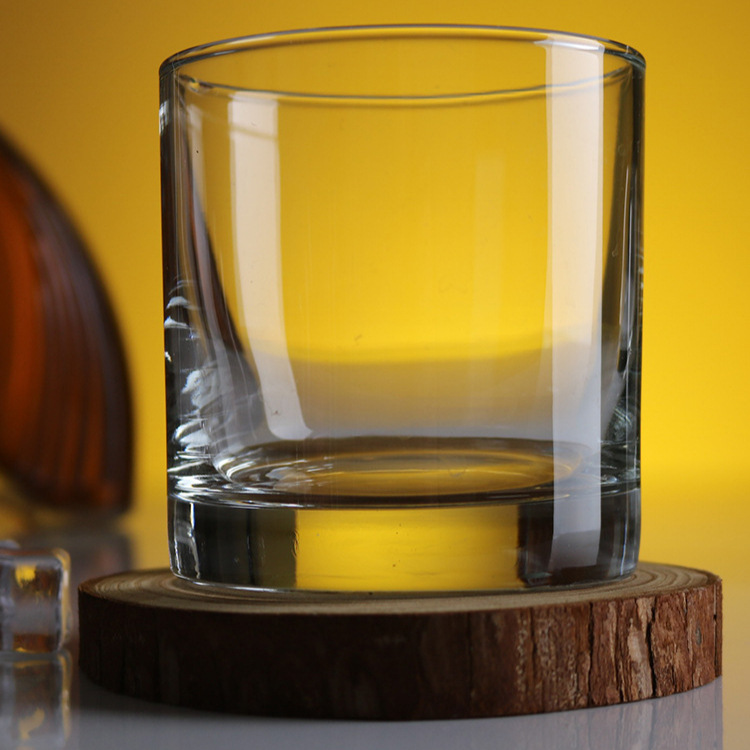 Tempered Glass
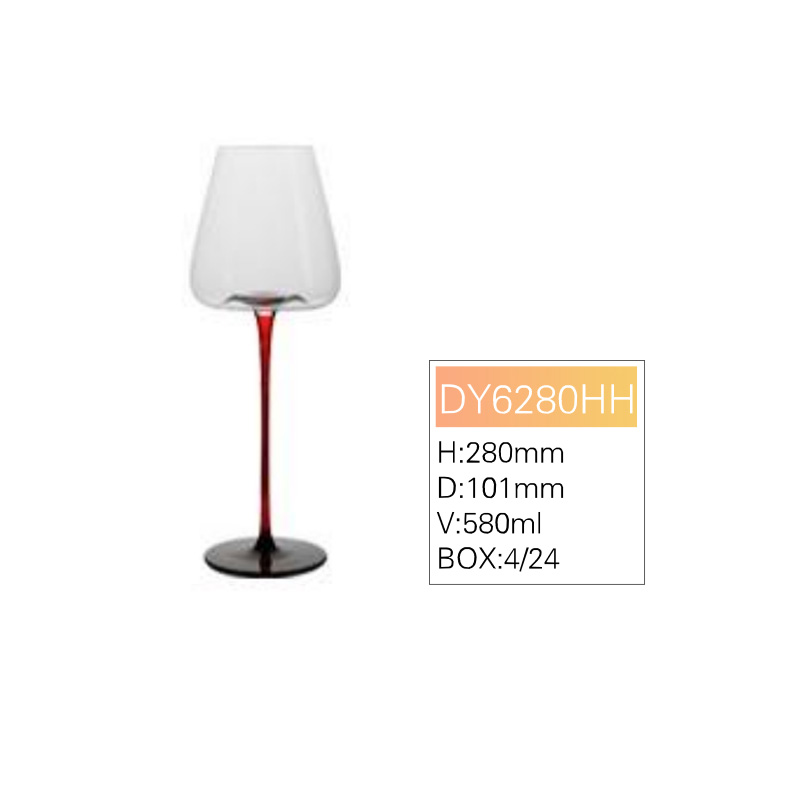 Beyond the Grape: The Delicate Art of Chinese Stemware Craftsmanship
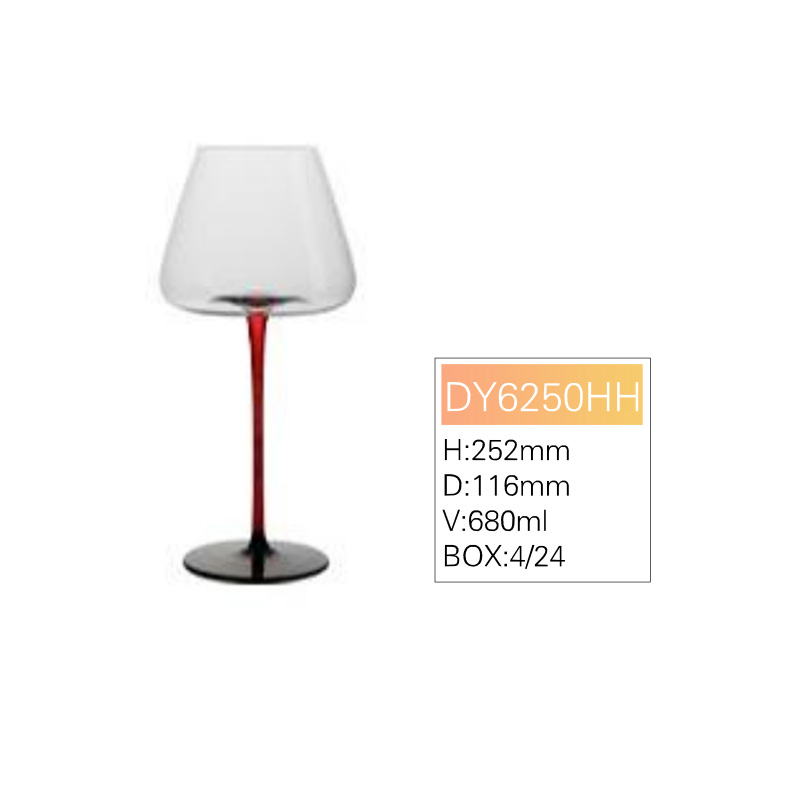 The Art of Color in China‘s Glass Cup Industry


Guangzhou HeXie Glass Co., Ltd.
Address: No. 22, Building 53, Haotai Hotel Supplies Expo City, Yingbin Road, Luopu Street, Panyu District, Guangzhou
Tel: +86-18011970645
Email: info@hexieglass.com
https://www.hexieglass.com


