


Glassware has been an integral part of human life for thousands of years. From simple containers in ancient times to the elegant and functional cups we use today, the evolution of glass technology has been remarkable. Among the various types of glass cups, soda - lime glass cups and lead - free crystal glass cups stand out, each with its own unique characteristics. Understanding the differences between them is crucial for consumers when making a purchase, whether for daily use or special occasions. Hexie Glass will tell you.
Soda - lime glass is the workhorse of the glass - making world, accounting for the majority of glass production. Its foundation lies in silica (SiO₂), which forms the glassy network structure. To make silica workable, soda (sodium carbonate, Na₂CO₃) is added. Soda significantly reduces silica's melting point, which is otherwise a staggering 1710°C. Without soda, shaping glass would be an energy - intensive and difficult task. Lime (calcium oxide, CaO) is another crucial component. It fortifies the glass against chemical attacks, especially from water. A typical composition of soda - lime glass consists of about 70 - 74% silica, 12 - 16% soda, and 5 - 10% lime. Minor elements like alumina (Al₂O₃) and magnesium oxide (MgO) may also be present, enhancing properties such as mechanical strength and thermal stability.
Lead - free crystal glass aims to replicate the splendor of traditional lead - crystal glass without the toxicity of lead. In traditional lead - crystal, lead oxide (PbO) imparts unique optical and physical traits. In its lead - free counterpart, barium oxide (BaO), zinc oxide (ZnO), and potassium oxide (K₂O) step in. Barium oxide, for instance, boosts the refractive index, giving the glass a more brilliant sheen. Zinc oxide enhances hardness and chemical resistance. The exact composition varies, but it always features high - quality silica combined with these alternative metal oxides to achieve the desired characteristics.
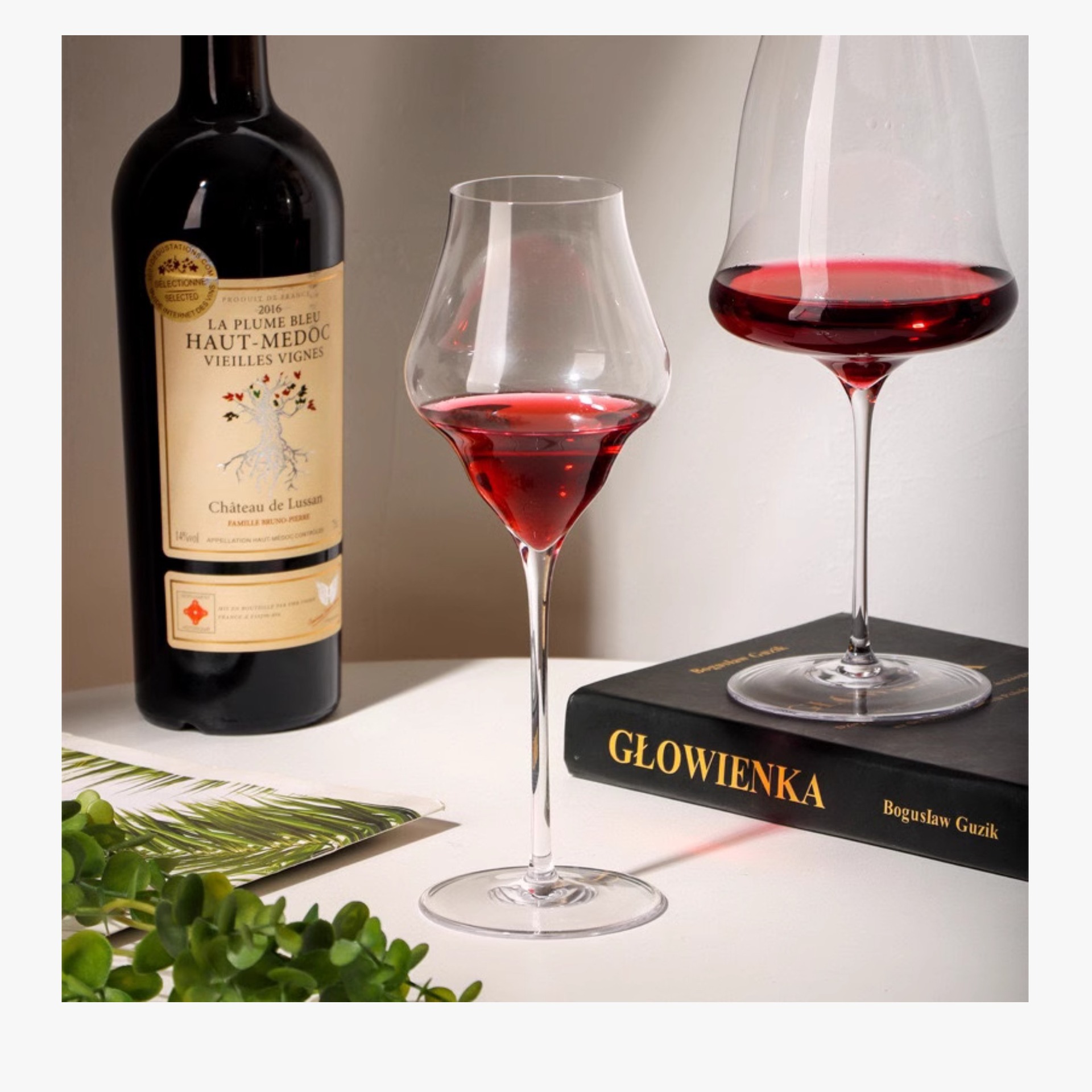
2.1 Transparency
Both soda - lime glass and lead - free crystal glass offer good transparency. Soda - lime glass provides clear visibility of the contents, making it suitable for everyday beverages. However, lead - free crystal glass often takes transparency to a higher level. The addition of specific metal oxides, like barium oxide, results in a more crystal - clear appearance. This makes lead - free crystal glass ideal for presenting fine wines, where the color and clarity of the liquid are crucial aspects of the drinking experience.
2.2 Refractive Index and Brilliance
The refractive index differentiates the two glasses significantly. Soda - lime glass has a refractive index of around 1.51 - 1.52. In contrast, lead - free crystal glass, with its carefully selected additives, can reach a refractive index of 1.54 - 1.58. This higher refractive index causes light to bend more as it passes through the glass. When light hits lead - free crystal glass, it is refracted and reflected in multiple directions, creating a dazzling sparkle. Soda - lime glass, while transparent, lacks this level of brilliance, making lead - free crystal glass more visually appealing, especially in well - lit environments.
3.1 Hardness
Soda - lime glass is relatively hard, sufficient for normal daily use. It can endure regular handling, such as stacking and washing, without easily getting scratched or chipped. Lead - free crystal glass, enhanced by metal oxides like zinc oxide, can be even harder in some cases. This hardness allows for intricate cutting and engraving, enabling the creation of detailed designs on lead - free crystal glassware.
3.2 Density
Lead - free crystal glass is denser than soda - lime glass. Soda - lime glass has a density of approximately 2.5 g/cm³, while lead - free crystal glass can range from 2.9 - 3.1 g/cm³. The addition of heavy metal oxides like barium oxide contributes to this higher density. The increased density gives lead - free crystal glass a more substantial and luxurious feel in the hand. Additionally, when tapped, lead - free crystal glass produces a more resonant and ringing sound, adding to its allure.
3.3 Thermal Expansion
Soda - lime glass has a relatively high coefficient of thermal expansion. This means it expands and contracts significantly with temperature changes. Pouring hot liquid into a cold soda - lime glass cup can cause it to crack due to the rapid expansion of the inner layer compared to the outer layer. Lead - free crystal glass, on the other hand, typically has a lower coefficient of thermal expansion. This allows it to better withstand temperature fluctuations, making it more suitable for use with hot beverages.
4.1 Soda - Lime Glass Manufacturing
The production of soda - lime glass starts with the precise mixing of raw materials: silica sand, soda ash, limestone, and minor additives. These are then fed into a furnace heated to 1500 - 1600°C. At this high temperature, the raw materials melt and meld into a homogeneous glass melt. The molten glass can be shaped into cups through blow - molding or press - molding. After shaping, the cups are slowly cooled in an annealing furnace to relieve internal stresses, ensuring their durability.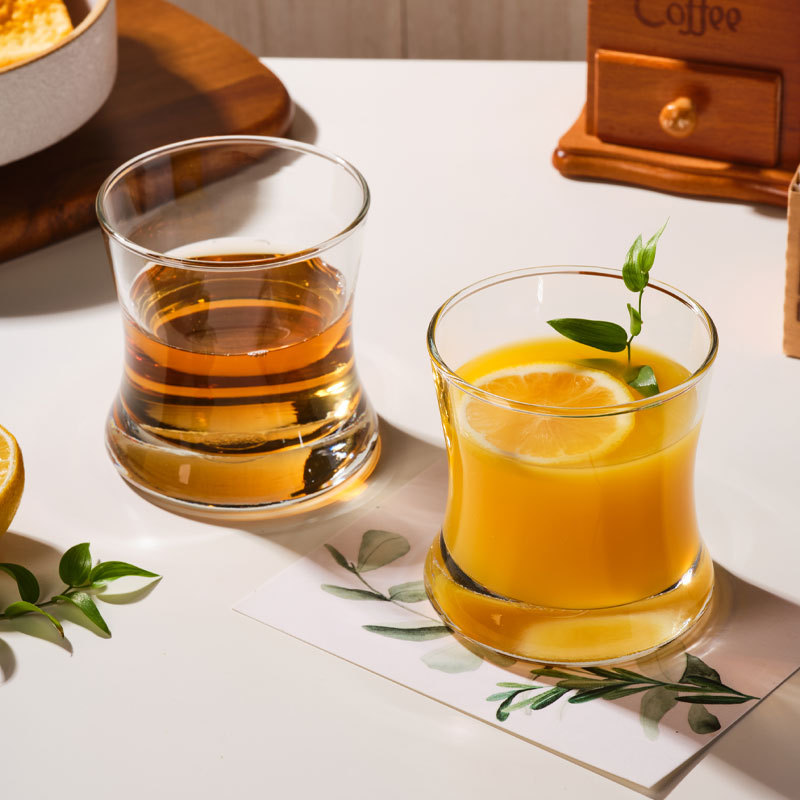
4.2 Lead - free Crystal Glass Manufacturing
Lead - free crystal glass manufacturing is more intricate. High - purity silica, along with barium carbonate (for barium oxide), zinc oxide, and other components, are carefully measured and mixed. The mixture is melted in a furnace at 1550 - 1650°C, a slightly higher temperature than that for soda - lime glass. Shaping methods are similar, but the higher density and different viscosity of lead - free crystal glass require more skill. After shaping, it undergoes a meticulous annealing process. Additionally, lead - free crystal glass often undergoes further finishing like cutting, polishing, and engraving to enhance its aesthetic appeal.
5.1 Health Aspects
Soda - lime glass is entirely safe for food and beverage contact. Its components are stable and do not leach harmful substances, even when in contact with acidic or hot liquids. Lead - free crystal glass is also safe. Since it is free from lead, there are no concerns about lead leaching. The alternative metal oxides used are generally recognized as safe for food contact, provided the products meet relevant safety standards.
5.2 Environmental Impact
Soda - lime glass has an environmental edge. Its raw materials are abundant, and the manufacturing process is well - understood. It is highly recyclable, and recycling reduces the need for virgin materials and energy consumption. Lead - free crystal glass is recyclable too, but the production of some of its raw materials, like barium oxide, may be more energy - intensive. However, ongoing research aims to reduce its environmental footprint.
Soda - lime glass cups are budget - friendly. The availability of raw materials and the relatively straightforward manufacturing process keep costs down. They are commonly found in supermarkets and are a popular choice for everyday use. Lead - free crystal glass cups, conversely, are more expensive. The high - quality raw materials, complex manufacturing, and additional finishing processes contribute to their higher price. They are often sold in specialty stores and are associated with luxury and fine dining.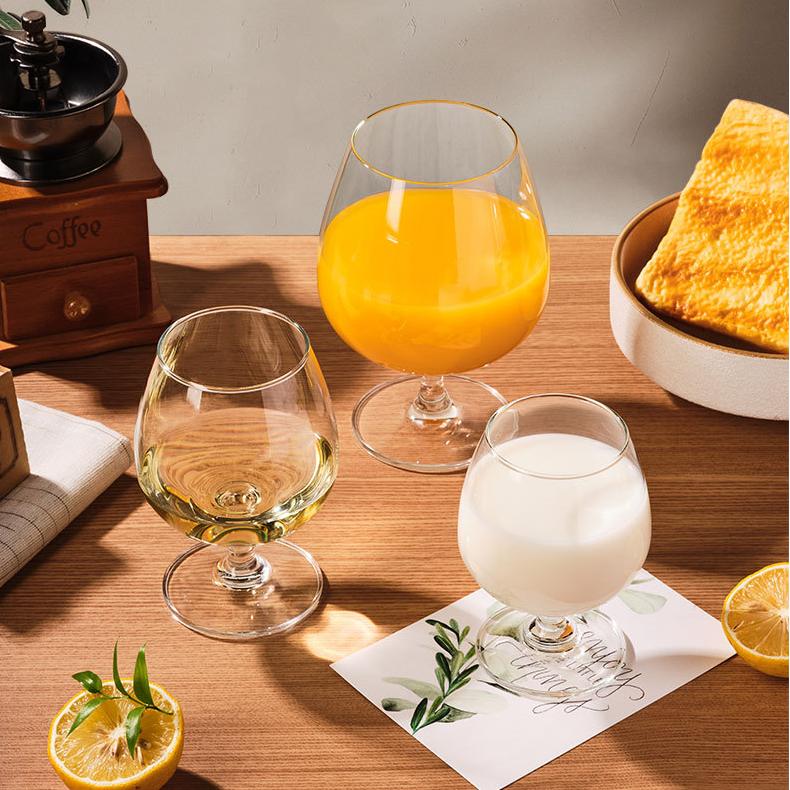
7.1 Soda - Lime Glass Cups
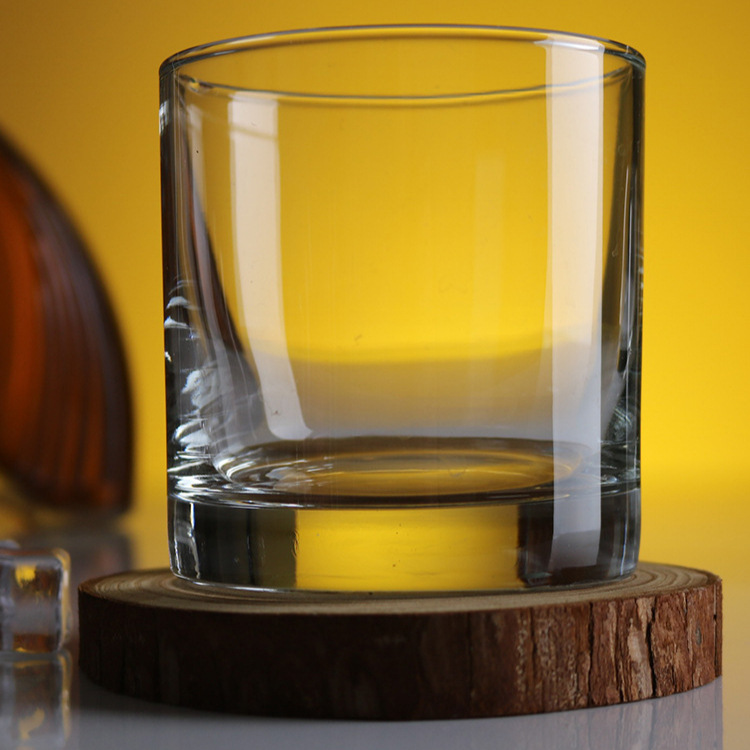
Soda - lime glass cups are the go - to for daily consumption. They are suitable for a variety of beverages, from water to hot coffee. Their affordability and durability make them a staple in restaurants, cafes, and homes. While they come in different shapes, they are more focused on functionality rather than elaborate decoration.
7.2 Lead - free Crystal Glass Cups
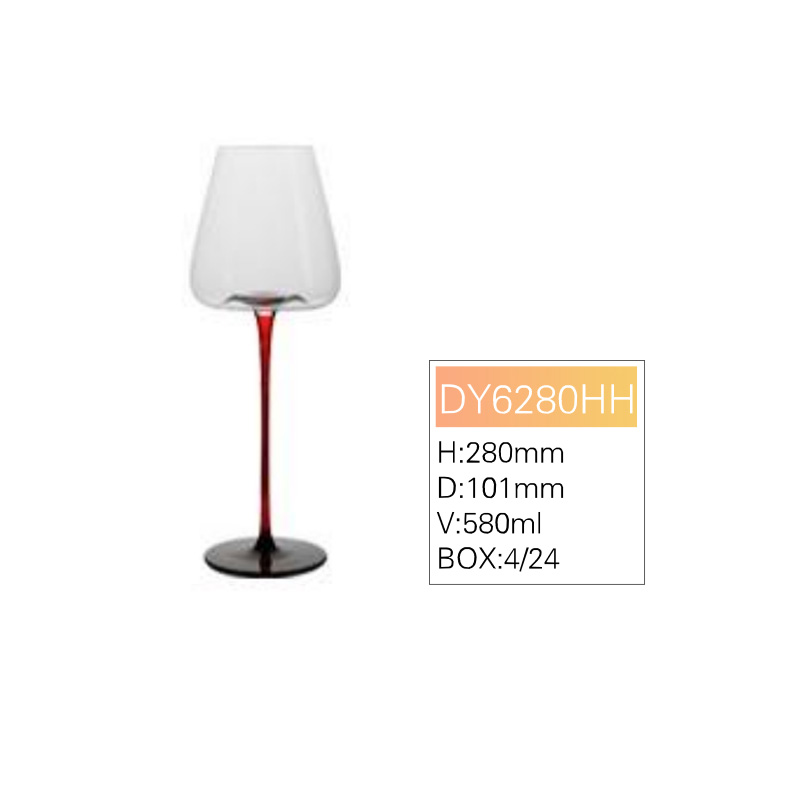
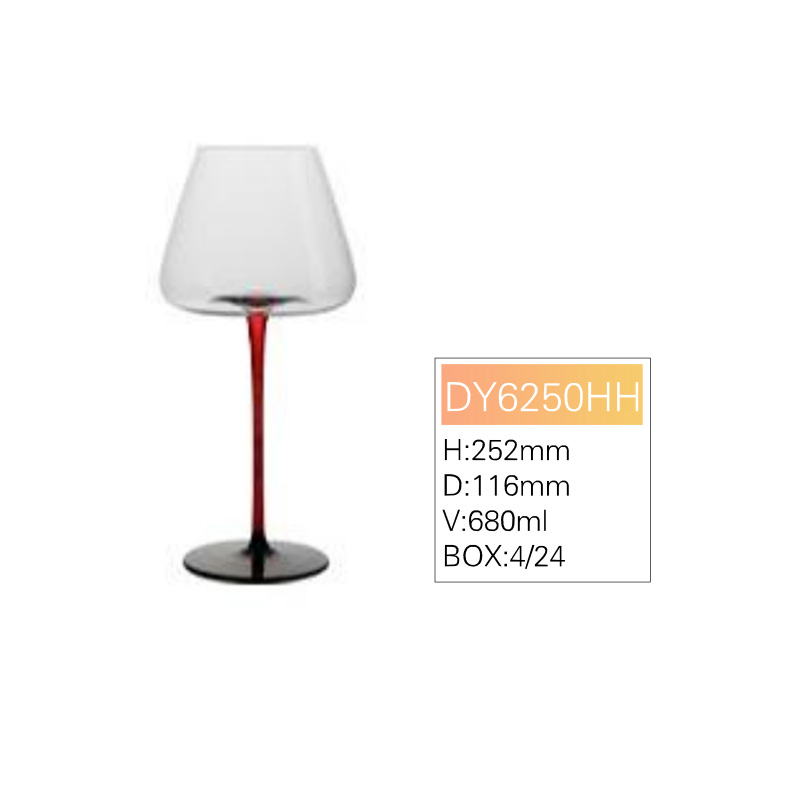
Lead - free crystal glass cups are reserved for special occasions. Their elegant appearance, high refractive index, and luxurious feel make them perfect for serving fine wines, champagnes, and other premium drinks. They also serve as decorative pieces, often given as gifts for weddings, anniversaries, or other significant events.
 Behind the Sparkle: The Craftsmanship of Libbey Glassware
 Tempered Glass
 Beyond the Grape: The Delicate Art of Chinese Stemware Craftsmanship
 The Art of Color in China‘s Glass Cup Industry


Guangzhou HeXie Glass Co., Ltd.
Address: No. 22, Building 53, Haotai Hotel Supplies Expo City, Yingbin Road, Luopu Street, Panyu District, Guangzhou
Tel: +86-18011970645
Email: info@hexieglass.com
https://www.hexieglass.com


