What is the difference between hand blowing glassware and machine blowing glassware?
Views : 494
Update time : 2025-04-16 15:13:03
There have many different kinds of glassware with wide uses. Besides normal quartz glass and toughened glass, there also have optical glass, discolored glass, sandwich glass, etc. Because of the rich variety of glass, it is more important to choose the right type. In order to find suitable glassware products, we should know about all kinds of glass, and be familiar with the characteristics of glassware blowing.

What is the difference between hand blowing glassware and machine blowing glassware?
What is the difference between hand blowing glassware and machine blowing glassware?

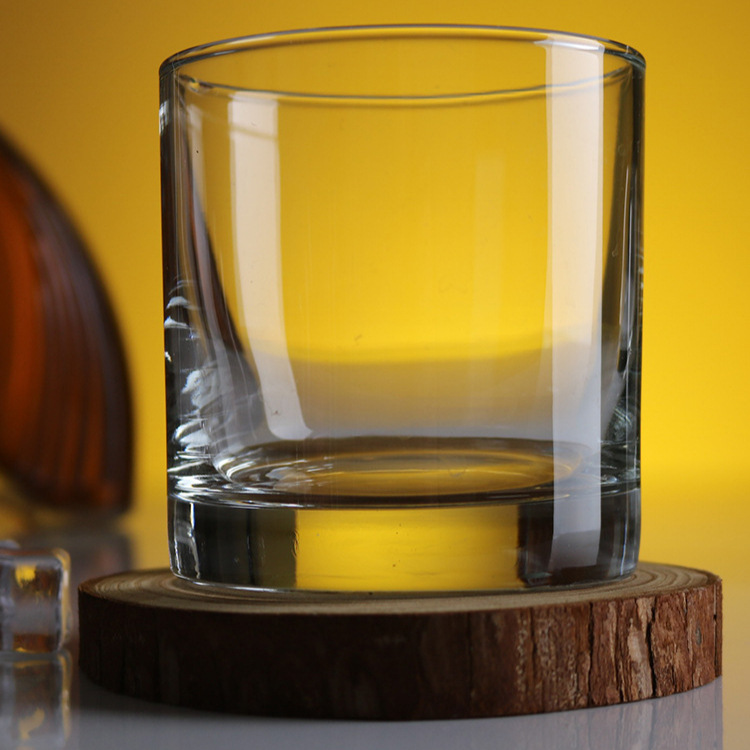
 If it is a water cup, we can distinguished by seam line and thickness of the cup wall. Hand blowing glass cup usually have no seam line, and the cup wall is thin. Most of them have slight bubbles and streamlines, slightly different specifications. Machine blowing glass cup have thicker walls, fewer bubbles and streamlines, similar size. Only some of them have seam lines.

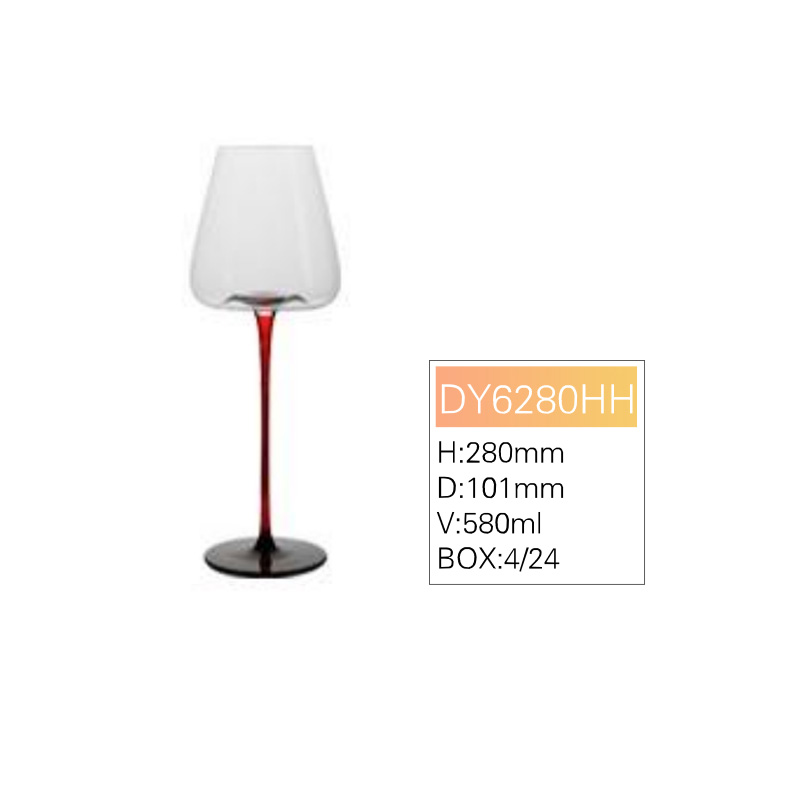
 If it is a goblet, for domestic glassware, machine blowing goblet is with thick wall, smaller size. But the hand blowing goblet has thin wall, more shapes and more delicate. Of course, there may be have bubbles and streamlines.

For foreign well-known brand goblet, machine blowing goblet is better than hand blowing one: thin wall, no bubbles, streamline shape. Machine blowing goblet should be a better choice for people who like drinking red wine.

Method of Glass Blowing
What is the difference between hand blowing glassware and machine blowing glassware?

Blowing glassware is divided into two kinds:

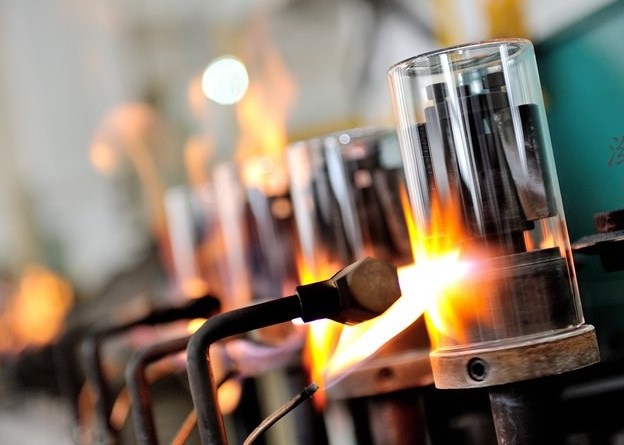
One is machine blowing. The main equipment is bottle making machine or cup blowing machine. It uses the plasticity of glass liquid to blow glass liquid into shape by high pressure gas.  

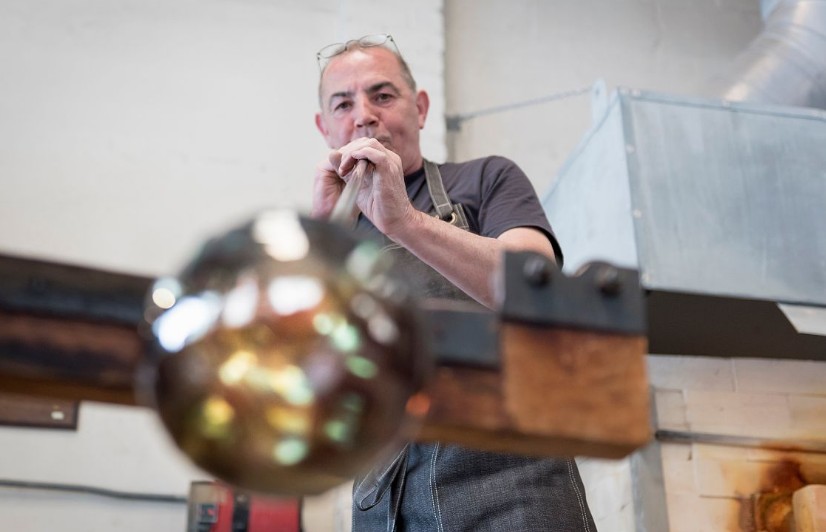
The other is hand blowing. This craft uses a steel pipe of suitable thickness to carry the glass liquid to one end of the steel pipe. The other end of the pipe is blown by the worker with his mouth. The glass liquid is blown into bubbles, then dipped in the glass liquid again to continue blowing, and then into the mould forming. This process is called hand blowing.


Related News
Read More >>
The Unassuming Brilliance of the Glass Cup The Unassuming Brilliance of the Glass Cup
May .22.2026
There is a specific ritual I perform every morning. Before the coffee machine finishes its gurgling symphony, I open the cupboard. I reach past the ceramic mugs (too heavy), bypass the travel thermos (too clinical), and select a simple, clear glass cup.
Behind the Sparkle: The Craftsmanship of Libbey Glassware Behind the Sparkle: The Craftsmanship of Libbey Glassware
May .14.2026
Have you ever held a perfectly balanced wine glass or a durable tumbler that felt surprisingly elegant in your hand? There’s a good chance it was a Libbey. For over two centuries, this American company has been quietly perfecting the art of glassmaking—and their manufacturing process is far more sophisticated than you might imagine.
Tempered Glass Tempered Glass
Apr .30.2026
Tempered glass cups are also easy to clean and maintain. The smooth surface of the glass resists the adhesion of stains and odors. Unlike plastic cups, which may absorb the flavors and colors of certain beverages over time, tempered glass cups can be easily washed by hand or in a dishwasher, and they will retain their original clarity and appearance. Cleaning agents and hot water can effectively remove any residue, ensuring that the cups are hygienic for repeated use. This ease of cleaning is not only convenient for consumers but also beneficial in commercial settings where maintaining high standards of cleanliness is essential.
Beyond the Grape: The Delicate Art of Chinese Stemware Craftsmanship Beyond the Grape: The Delicate Art of Chinese Stemware Craftsmanship
Apr .10.2026
When we think of fine stemware—those elegant wine glasses, champagne flutes, and water goblets that add sparkle to a dinner table—our minds often drift to the famous crystal houses of Europe: Austria’s Swarovski, France’s Baccarat, or Germany’s Zwiesel. These names have long been the gold standard for luxury glassware.