What Is Spray Color Craft?
Spray coloring is a surface decoration process:
- Start with a finished, annealed clear glass
- Clean and prepare the surface
- Atomize paint/lacquer/enamel through automated spray guns
- Cure or bake the coating so it bonds to the glass
- Inspect for color, adhesion, and finish quality
Unlike colored batch glass (where the whole wall is tinted), spray coating sits on the surface—usually 15–40 μm thick depending on the system.
Typical Production Workflow
1. Pre-Treatment (Critical)
The glass surface must be oil-free, dust-free, and static-neutral.
- Alkaline wash / deionized rinse
- Isopropyl alcohol wipe (small batch)
- Ionized air blow-off
- Optional flame or corona treatment for stronger adhesion
Any dust = sand-grain bumps in the finish. Any grease = fish-eye craters.
2. Masking
Areas that must stay clear are masked:
- Rim (for drink-contact safety)
- Stem junction
- Logo windows
- Partial-coverage zones
For wine glasses, the inner bowl and rim are normally left uncoated for food-safety reasons.
3. Spray Application
Modern factories use:
- Electrostatic spray booths (paint wraps the curve, less overspray)
- Robotic arms for repeatability
- Multi-pass layering for opacity
Common coating types:
- UV-curable lacquer – fast cure, low VOC
- Water-based enamel – eco-friendly, food-contact friendly
- Solvent-based lacquer – high gloss, strong adhesion
- Ceramic enamel spray – can be fired at 580–620°C for fused-in durability
Typical cure: UV pre-cure + thermal bake at 160–200°C.
4. Finishing Effects
Spray craft isn’t just “one flat color.” You can build:
- Solid color – full opaque cover
- Translucent tint – see-through smoke / blush
- Gradient / ombré – moving mask or distance spray
- Matte – soft-focus, anti-fingerprint
- Glossy – candy-coated shine
- Metallic / pearlescent – mica or metal-flake lacquer
- Partial spray – bowl only, base only, lower-half fade
Gradient usually needs more passes + tighter process control, so it costs more than solid color.
5. Topcoat (Optional)
A clear protective lacquer adds:
For premium lines, a fired ceramic top layer beats cold lacquer.
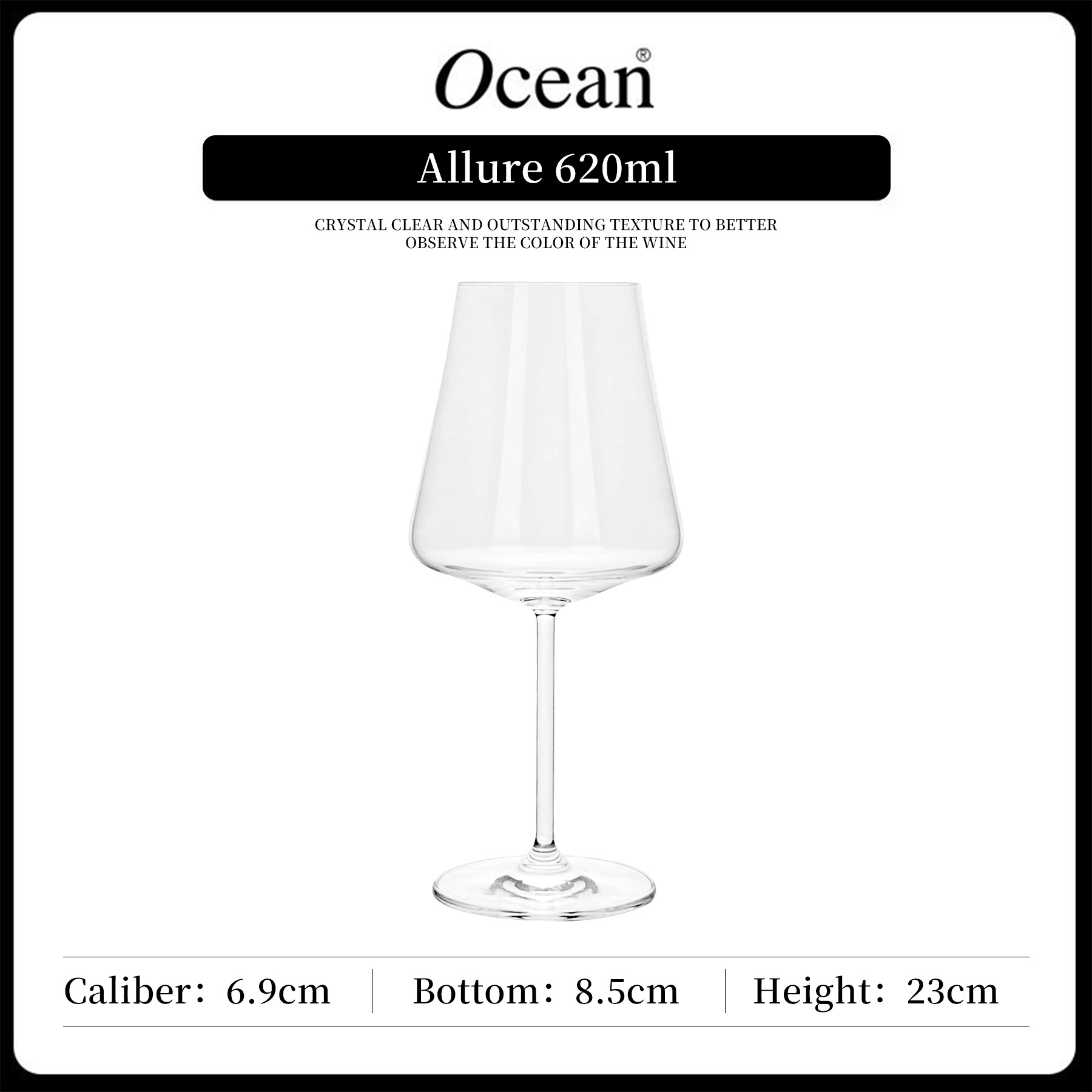
Why Brands Choose Spray Color for Wine Glasses
|
Advantage
|
Why It Matters
|
|
Any Pantone color
|
Match brand identity exactly
|
|
Low mold risk
|
Use existing clear glass blanks
|
|
Fast sampling
|
No furnace color changeover
|
|
Design freedom
|
Gradients, matte, metallics
|
|
Lower MOQ than batch color
|
Easier for small collections
|
Spraying is basically “putting a tailored coat on a clear glass.”
Limitations to Know
- Coating can wear if cheap lacquer or no topcoat is used
- Dishwasher cycle limits unless fired/enamel-cured
- Rim must stay clean for food contact
- Color drift between batches if no spectro-control
- Recycling complexity—coated cullet needs proper handling
A well-run line controls this with:
- Spectrophotometer color check (ΔE < 2.0)
- Cross-cut adhesion test
- 500-cycle dishwasher simulation
- Migration testing (FDA / LFGB / Prop 65)


 The Paradox of Toughness: How Tempered Glass Turns Internal Tension into Everyday Safety
 The Alchemy of Color: How Metal Oxides Turn Sand into Stained Glass, Ruby Red, and Cobalt Blue
 Libbey: The Glassmaker That Built American Drinking, Then Learned to Disappear
 Hot Cut vs. Cold Cut: What a Glass Rim Really Tells You


