


|
Color
|
Key Additive(s)
|
Notes
|
|---|---|---|
|
Cobalt Blue
|
Cobalt oxide (CoO)
|
Iconic, stable, used since ancient Egypt
|
|
Emerald / Forest Green
|
Chromium oxide (Cr₂O₃), iron oxide
|
Cr gives rich green; Fe gives olive/antique
|
|
Amber / Smoke
|
Iron oxide + sulfur / carbon
|
Warm browns to deep blackish-amber
|
|
Ruby Red
|
Gold chloride, copper oxide, selenium
|
Gold ruby is the most prized and expensive
|
|
Violet / Amethyst
|
Manganese dioxide, nickel oxide
|
Mn was historically called "glassmaker's soap"
|
|
Yellow / Amber
|
Cadmium sulfide, titanium
|
CdS gives bright yellow; Ti gives softer tones
|
|
Pink / Blush
|
Selenium, erbium, didymium
|
Selenium pinks are common in art glass
|
|
Black
|
High Mn + Fe + Co mix
|
True black glass is nearly opaque
|
|
Opaque White (Milk Glass)
|
Tin oxide, bone ash, fluorides
|
Scatters light; classic Victorian look
|
|
Teal / Turquoise
|
Copper oxide (CuO) in reducing atm.
|
Requires controlled furnace chemistry
|
 The Paradox of Toughness: How Tempered Glass Turns Internal Tension into Everyday Safety
 The Alchemy of Color: How Metal Oxides Turn Sand into Stained Glass, Ruby Red, and Cobalt Blue
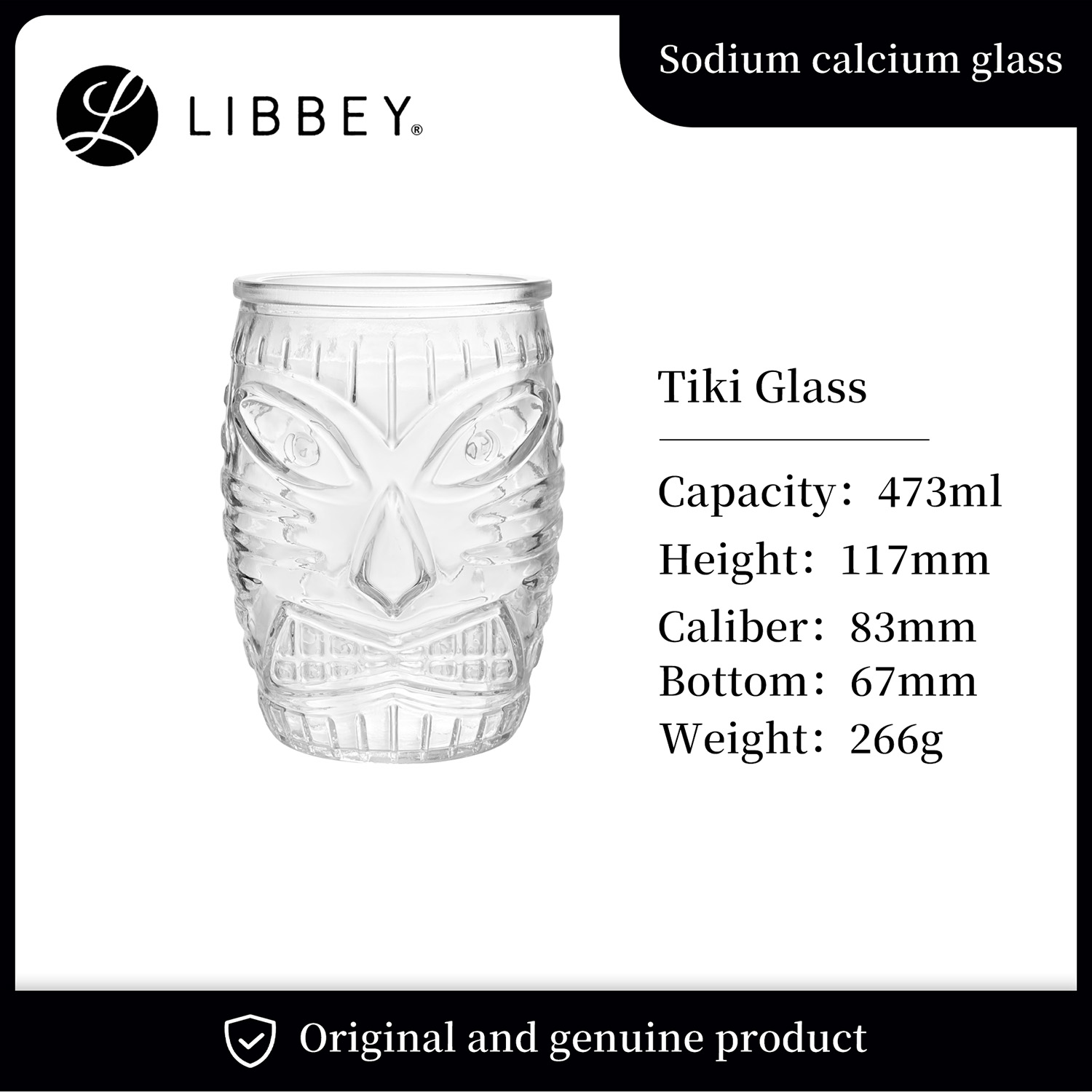
 Libbey: The Glassmaker That Built American Drinking, Then Learned to Disappear
 Hot Cut vs. Cold Cut: What a Glass Rim Really Tells You


Guangzhou HeXie Glass Co., Ltd.
Address: No.1, 8th Street, Nanfang Hardware & Hotel Supplies City, Shaxi, Panyu District, Guangzhou City, Guangdong Province, P.R.China
Tel: +86-18011970645
Email: info@hexieglass.com
https://www.hexieglass.com


